 HaoChi 好吃
Chinese Rice Types: Names, Varieties & Which One to Use
2026-09-04
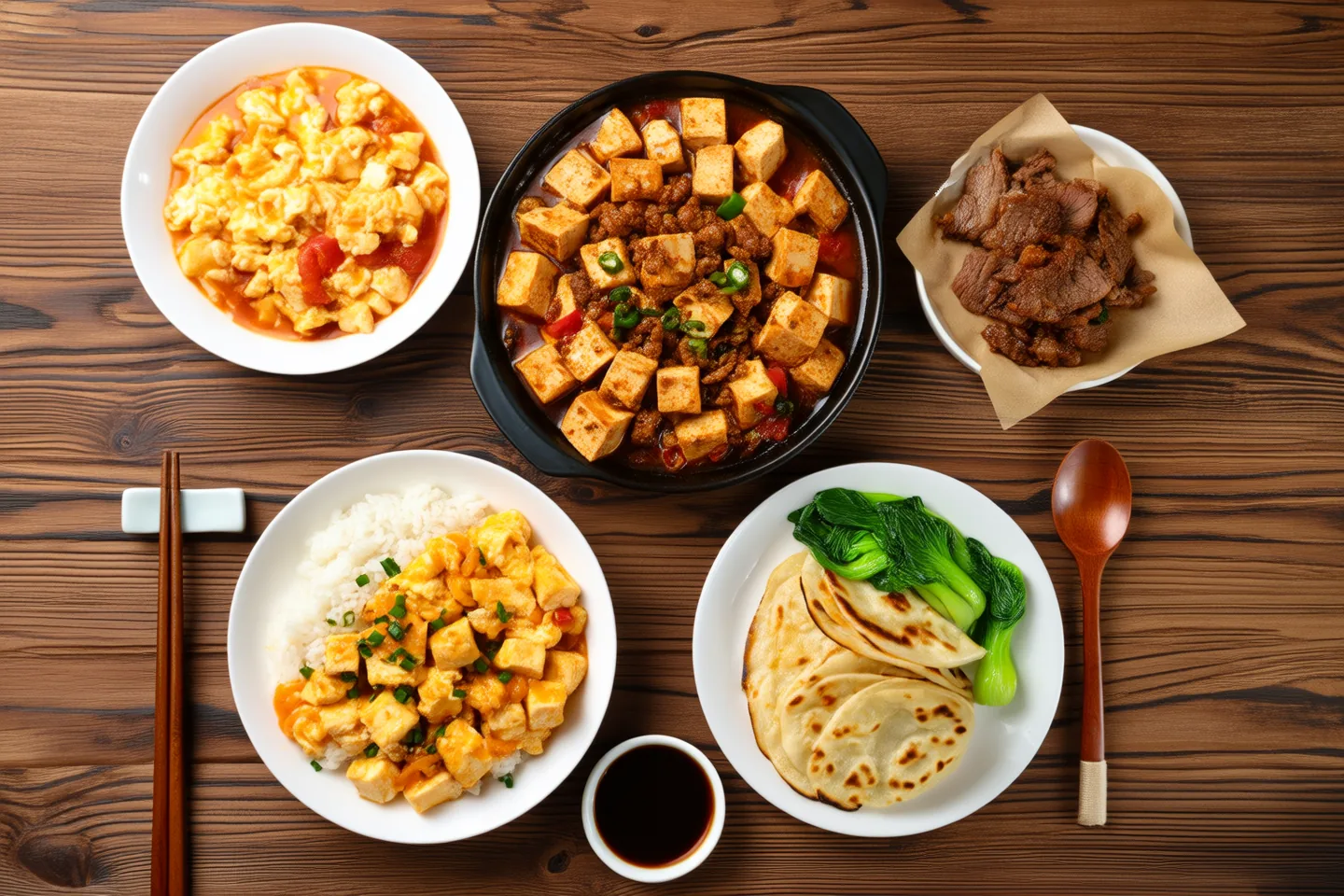
Rice (米饭, mǐ fàn) is the backbone of Chinese cuisine, but the type matters enormously. A sticky glutinous rice meant for dumplings will fail in a stir-fry, while long-grain rice meant for fried rice will be too dry for congee.
The Three Main Types
Short-grain white rice (粳米, jīng mǐ): sticky, round, the everyday table rice. Used for congee, steamed rice, and rice bowls. Long-grain rice (籼米, xiān mǐ): separate grains, less sticky. Essential for fried rice — the drier texture prevents mushiness. Glutinous rice (糯米, nuò mǐ): completely sticky when cooked. Used for dim sum, zongzi, and sweet dishes.
Specialty Rices
Sushi rice is essentially short-grain japonica — fine for Chinese cooking. Brown rice adds nuttiness but requires longer cooking. Black rice (黑米, hēi mǐ) is nutritious but chewy — best mixed with white rice. Red rice (红米, hóng mǐ) has a similar profile.
Washing and Soaking
Short-grain rice: wash 2-3 times until water runs clear. Glutinous rice: soak 2-4 hours before cooking for even texture. Long-grain rice: quick rinse is sufficient — don‘t overwash or you‘ll lose flavor.
Which rice for which dish
Match the rice to the dish before you start cooking — no amount of technique will rescue the wrong grain.
- Fried rice: use long-grain (籼米), ideally cooked a day ahead and chilled so the grains firm up and separate in the wok. See our egg fried rice recipe or the classic Yangzhou fried rice for the full method.
- Congee: use short-grain (粳米) — its high starch content breaks down into a creamy, thick porridge that long-grain rice cannot produce. Try it in our century egg and lean pork congee.
- Dim sum and sweets: use glutinous rice (糯米), either whole or ground into flour. It is what gives sesame tangyuan their chewy skin and sticky rice shao mai their filling.
If you can only keep one rice in the cupboard, choose short-grain: it covers everyday steamed rice and congee, and only fried rice truly suffers.
Frequently Asked Questions
Is glutinous rice the same as sweet rice?
Yes, they are the same rice. Glutinous rice, sweet rice and sticky rice all refer to 糯米. Despite the name, it contains no gluten — the word 'glutinous' describes its glue-like stickiness when cooked, which comes from its very high amylopectin starch content. It is safe for anyone avoiding gluten.
Can I substitute brown rice for white rice in Chinese cooking?
Only for everyday steamed table rice. Brown rice works as a side bowl but needs more water and a longer cooking time, and soaking it for 30 minutes first helps. Do not use it for fried rice — the bran layer keeps the grains too firm and they will not absorb seasoning properly — and never for sticky dishes like congee, zongzi or dim sum, which depend on white rice starch.
Do I need to wash rice before cooking?
Yes, but how much depends on the type. Short-grain rice should be washed 2 to 3 times, swirling gently and draining, until the water runs mostly clear — this removes surface starch so the grains stay distinct rather than gummy. Long-grain rice only needs a quick rinse; overwashing strips flavour. Glutinous rice is rinsed once and then soaked 2 to 4 hours before cooking.