 HaoChi 好吃
Firm vs Soft Tofu: Which One Your Recipe Actually Means
2026-08-27
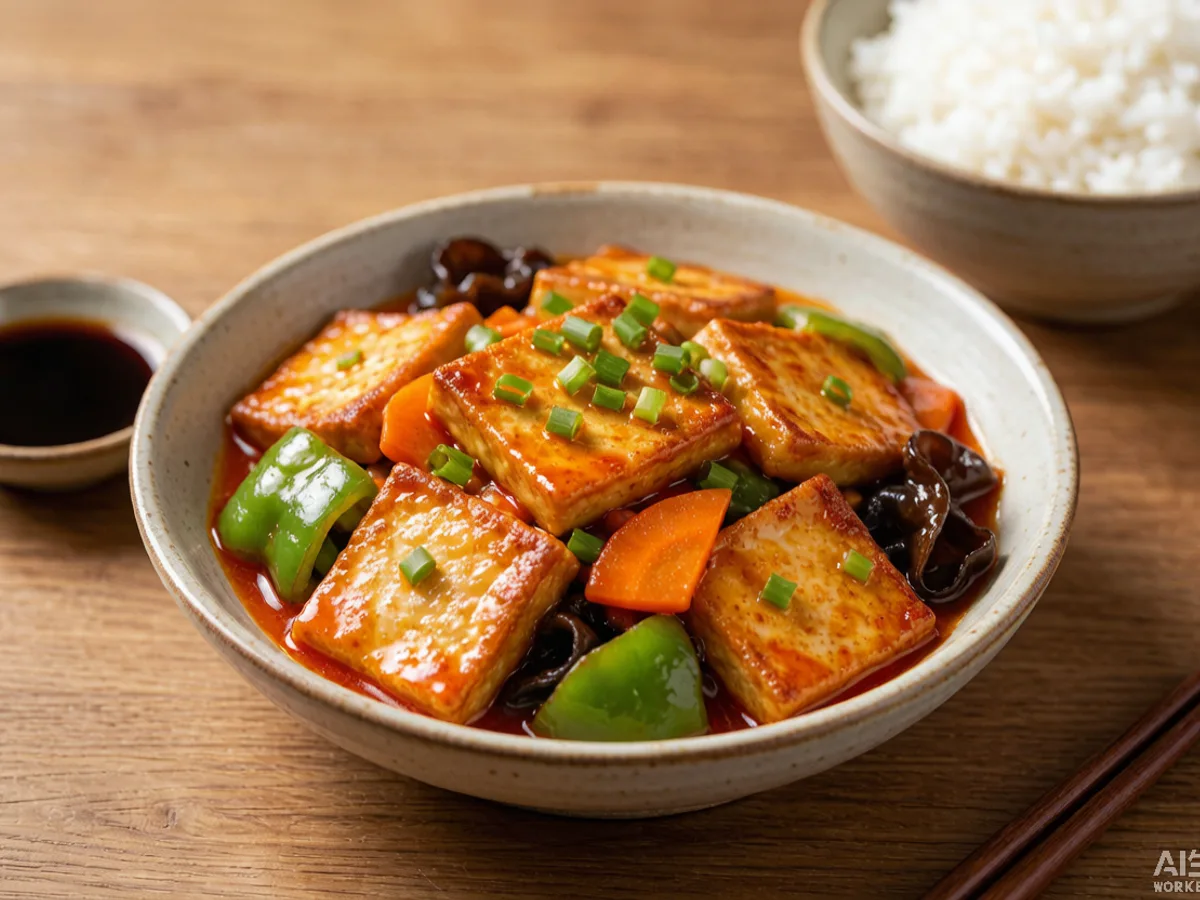
Tofu type is one of the few choices that can quietly sink a Chinese recipe. Mapo tofu made with firm tofu is a different dish from mapo tofu made with silken — and if a recipe doesn't specify, it's usually assuming one in particular.
The range, firmest to softest
- Extra firm / pressed: dense, holds its shape, good for pan-frying and grilling
- Firm (老豆腐): the everyday Chinese block, holds cubes in stir-fries and braises
- Soft (嫩豆腐): delicate, breaks easily, used in soups and steamed dishes
- Silken (内酯豆腐): custard-like, barely holds shape, for cold dishes and mapo tofu
Which one recipes mean
When a Chinese recipe just says "tofu," it usually means firm (老豆腐) for anything cooked in a pan or wok. The exceptions are worth memorizing: mapo tofu traditionally uses silken, and most soups use soft.
Keeping soft tofu from falling apart
- Cut it in larger pieces than feels right — small cubes break
- Slide it into the pan rather than dropping it
- Move the pan, not the tofu: swirl the sauce instead of stirring
- Salt the water gently when blanching; it firms the surface slightly
Pressing: when it matters
Press firm tofu for 20 to 30 minutes if you want it to brown. Water on the surface has to evaporate before browning can start, and unpressed tofu mostly steams in the pan. For braises, skip it — the tofu will absorb sauce instead, which is the point.
Storage
Keep tofu submerged in clean water in the fridge and change the water daily; it lasts about a week that way. Once the water turns cloudy or smells sour, it's done. Tofu also freezes well — thawed and squeezed, it turns spongy and soaks up sauce, which is a genuinely useful texture for braises.
Substituting one for the other
Sometimes the shop only stocks the wrong kind. Most of the time you can compensate with a few adjustments — the full tofu types guide helps if you are not sure which one you actually brought home. Here is how to adjust in each direction, and when to change the plan instead.
Firm instead of soft
- Cut it smaller than the recipe implies. Firm tofu is dense, and large pieces read as heavy and dry in a dish built for soft tofu; smaller cubes get you closer to the intended texture.
- Still handle it gently. Firm tofu is less fragile, not unbreakable — the edges crumble if you stir hard.
- Add it a few minutes earlier and give it longer in the sauce or broth. Firm tofu absorbs flavor more slowly than soft, so the extra time is not optional.
Soft instead of firm
- Skip pressing — soft tofu cracks under any real weight. Drain it on paper towels instead and let the surface dry for a few minutes; a drier surface holds together noticeably better.
- Lower the heat and abandon the idea of a hard sear. Soft tofu releases water and crumbles long before it browns, so aim to warm it through in sauce rather than fry it.
- Thicken the sauce before the tofu goes in — with a slurry or a short reduction — so a couple of gentle swirls are enough to coat it. The less stirring a dish needs after the tofu arrives, the more of it survives.
When substitution is a bad idea
Deep-frying is the hard line: never with soft or silken tofu. Their water content turns to steam on contact with hot oil, which means violent spattering and pieces disintegrating in the wok. If the recipe is a fried-tofu dish and soft tofu is all you have, pick a different dish — a soup or a cold dressed tofu uses the same block to far better effect. And the reverse: dishes built around a silky texture — mapo tofu above all — are poor candidates for firm tofu. The reverse has limits too: no amount of pressing turns silken tofu into something you can fry.
Frequently Asked Questions
Can I use firm tofu in mapo tofu?
You can, and plenty of home cooks do. It holds its shape better but absorbs less sauce — traditional versions use silken for the custard-against-spice contrast.
How long does tofu last in the fridge?
About a week, submerged in clean water changed daily. Once opened, avoid storing it in the original tub's liquid for more than a day or two.
Why does my tofu stick to the pan?
Usually too little oil, an insufficiently hot pan, or tofu that wasn't pressed. Give it time to release before you try to move it.
Can I use silken tofu in a stir-fry?
Not in any real sense — it collapses before it heats through, so there is nothing left to toss. If silken is all you have, add large pieces at the very end over the lowest heat and just warm them in the sauce, treating the tofu as part of the sauce rather than an ingredient. For anything involving actual flipping or tossing, soft tofu is the softest type that works.
Is firm tofu the same as extra-firm?
No. Extra-firm is pressed harder and contains less water, so it is denser and chewier; firm — the standard Chinese block — is more yielding and absorbs sauce better. They swap in most cooked dishes: press firm tofu a little longer to stand in for extra-firm, and expect extra-firm to stay chewier and take on less sauce when a recipe assumes firm.
How do I keep soft tofu from breaking up in soup?
Add it at the very end and keep the soup at a bare simmer, not a boil — the agitation from bubbling water is what breaks the cubes, not the heat. Cut the tofu large, slide it in gently, and move the soup with the back of a ladle rather than stirring. If the soup needs thickening, stir in the slurry before the tofu goes in so nothing needs mixing afterward.