Sesame Paste (Zhi Ma Jiang): How to Fix It When It Seizes
2026-08-31
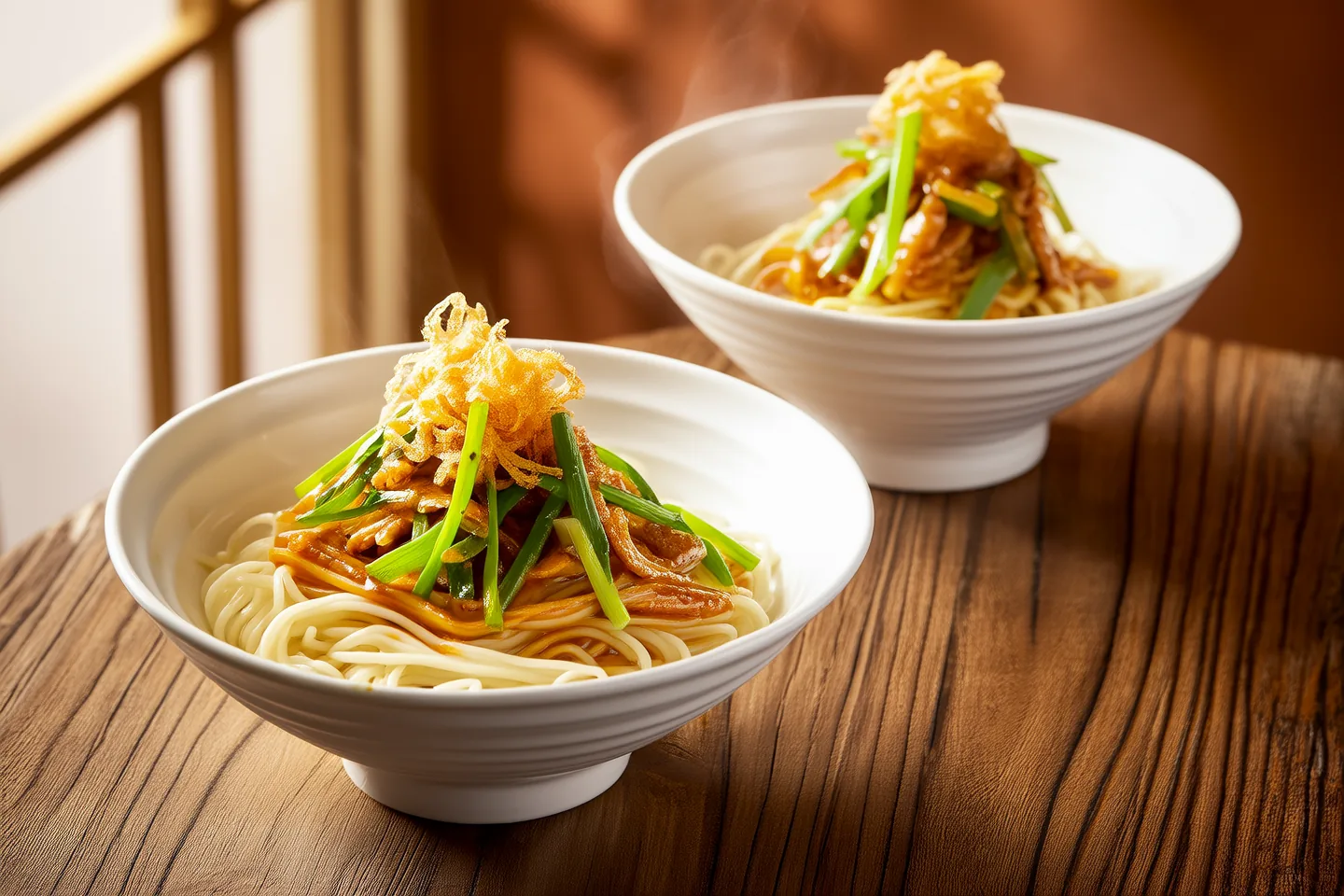
Chinese sesame paste — 芝麻酱 — is made from toasted sesame seeds, which gives it a deeper, nuttier, slightly bitter edge than the raw-seed tahini most Western kitchens already have. It's the base of cold noodles, and the reason those noodles taste like something you'd order rather than something you threw together.
Why it seizes, and the fix
Add water to sesame paste and it stiffens into a stubborn lump that won't mix. This isn't a mistake on your part — it's how the emulsion behaves. The fix is counterintuitive: keep going.
What to thin it with
- Warm water: neutral, lets the sesame flavor lead
- Sesame oil: richer, better for cold noodle sauces
- Light soy sauce: seasons and thins at once
Sesame paste vs tahini
Both are ground sesame, but Chinese sesame paste uses toasted seeds and tahini usually uses raw. That makes sesame paste darker, stronger, and a little bitter. In a cold noodle sauce, tahini tastes flat by comparison.
Where to use it
- Cold sesame noodles — the classic, and the whole reason to own a jar
- Cold dressed dishes, thinned into the dressing
- Hot pot dipping sauce, mixed with furu and chili oil
Storage
Store it in the fridge once opened; the oil separates and rises, which is normal. Stir it back in thoroughly before each use. If it separates and you never stir it, the bottom layer goes hard and dry. Kept stirred and cold, it lasts several months.
Frequently Asked Questions
Why does my sesame paste get hard when I add water?
It's the emulsion forming. Keep adding liquid a splash at a time and stirring in one direction — it goes lumpy, then suddenly smooth.
Can I use tahini instead of Chinese sesame paste?
In a pinch, yes, but tahini is made from raw sesame and tastes milder. Toast it lightly in a dry pan first, or add a little toasted sesame oil.
Should sesame paste be refrigerated?
Yes, after opening. The oil will separate and rise — that's normal. Stir it back in each time and it keeps for months.